How it works
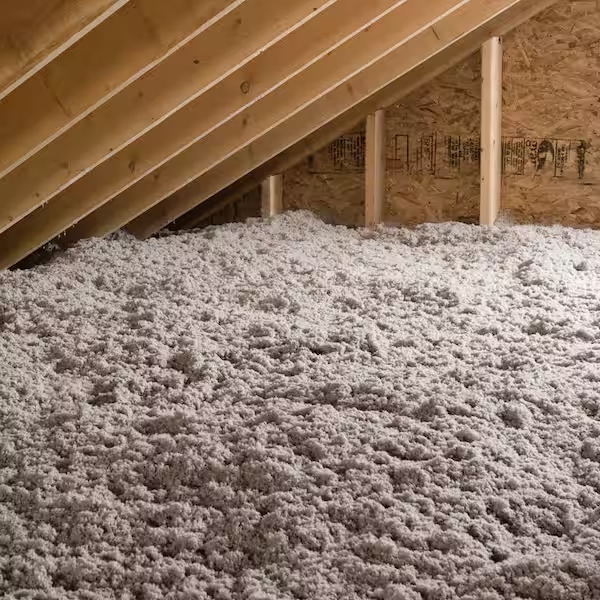
A vented attic often benefits from sealing ceiling penetrations and adding blown-in cellulose to achieve the appropriate total R-value. This can reduce heat transfer in both summer and winter.
Improve coverage in existing attics.
Inspect existing insulation, air leaks, ventilation and clearances before adding loose-fill cellulose. Removal is not always necessary.
Yes, if suitable, dry and compatible with the proposed upgrade.
A vented attic often benefits from sealing ceiling penetrations and adding blown-in cellulose to achieve the appropriate total R-value. This can reduce heat transfer in both summer and winter.
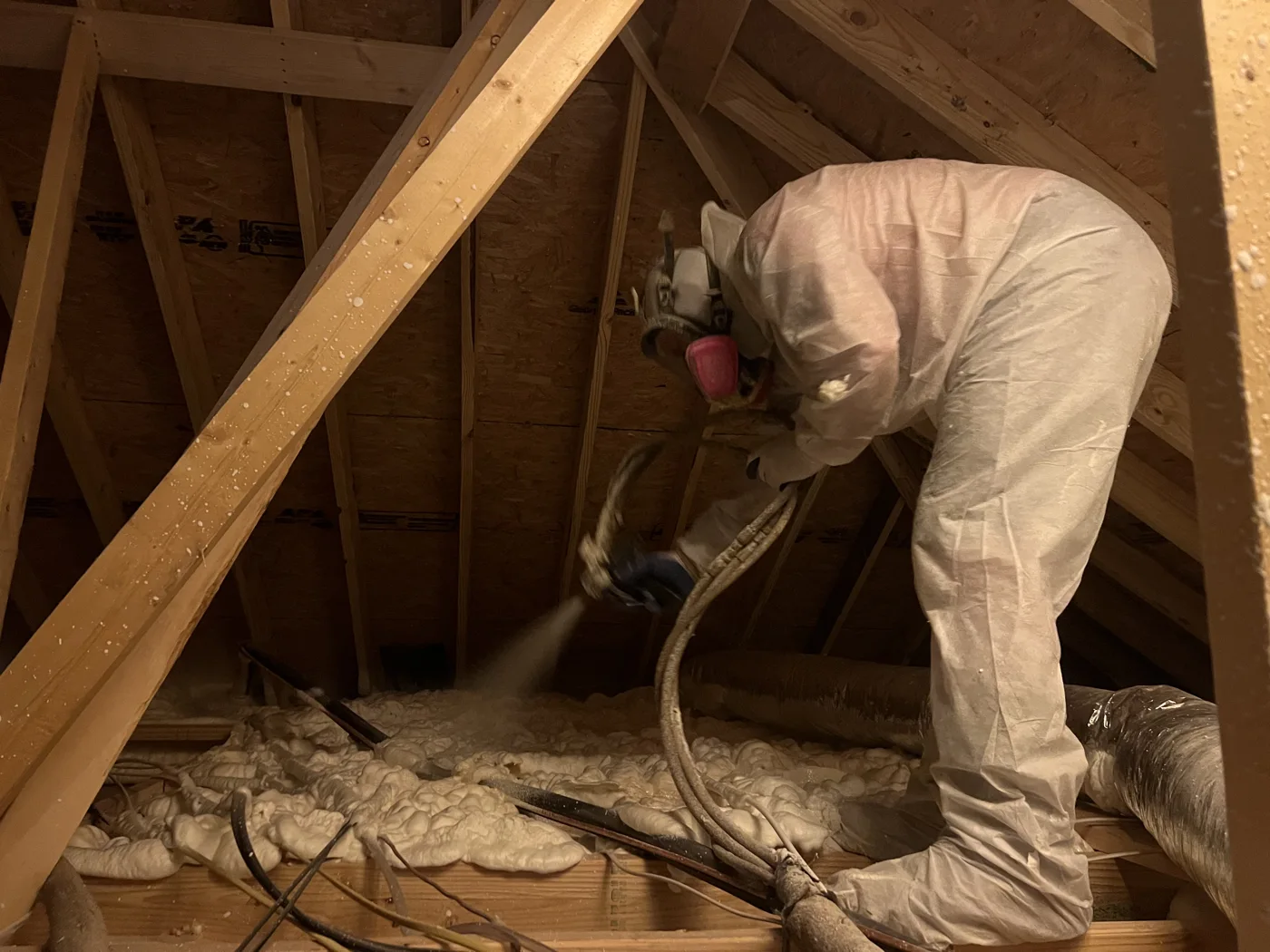
A cap job may be economical when existing insulation is dry and sound. Roofline foam may instead suit a designed unvented attic or a project with HVAC equipment in the attic.
Check roof leaks, ventilation baffles, recessed lights, exhaust ducts and combustion safety before work. Required R-value depends on applicable code and assembly.
We evaluate existing depth, material and condition before recommending an installed target.